The Right Abrasive Can Change Your Entire Sandblas...
15 Oct 2026
 MON to SAT - 8AM - 6PM
Mar
2026
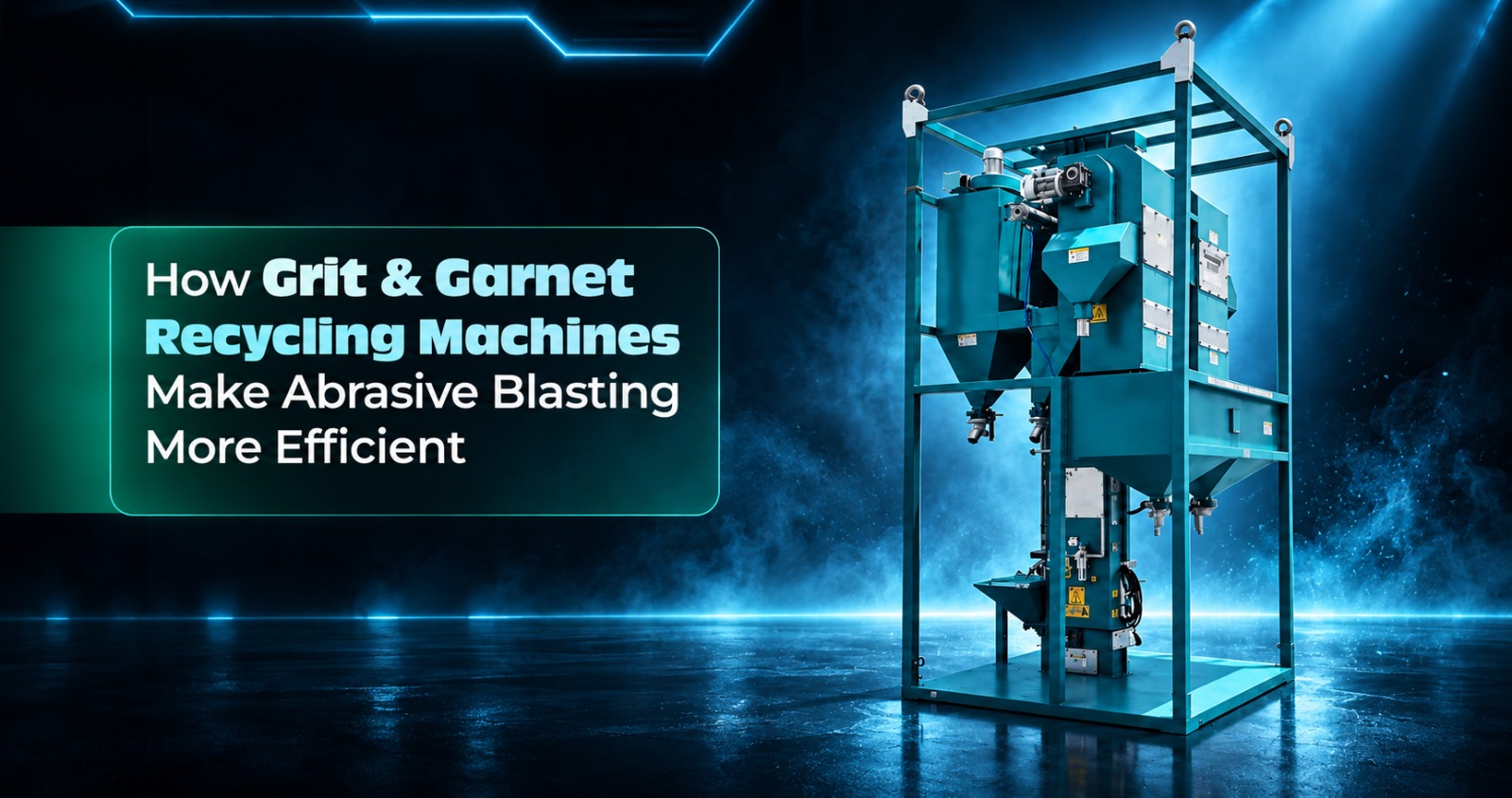
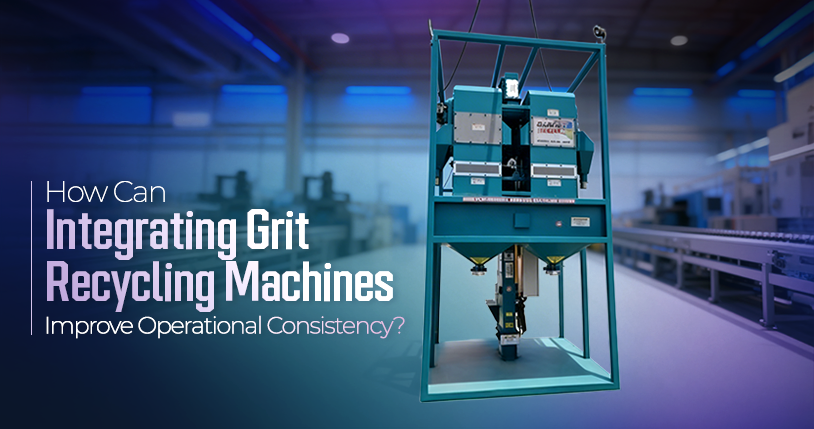
In modern industries, operations must be efficient and dependable. Certain industries, such as surface preparation, sand blasting, and wastewater treatment, are fully dependent on abrasive materials like garnets, steel shots, and sand. With time, the media will start to accumulate contaminants, dust, debris, etc. This buildup will clog machinery, speeding up the wear and leading to unplanned downtime if not processed on time. Integrating a grit recycling machine into the workflow is a very practical solution. It also allows valuable media to be reused. This improves operational consistency as well as reduces expenses and supports sustainable goals.
One of the biggest advantages of using abrasives that are recycled is the improvement of process efficiency. When using worn-out or contaminated media, it will significantly reduce surface preparation quality. This slows down production and creates more maintenance requirements. Recycling is done to keep the media clean and consistent, to facilitate smoother workflow and higher productivity levels. Operations can be more efficient by:
This aids small workshops as well as large industrial plants to have well-planned and efficient operations. This way, operators won't have to spend much time cleaning machinery or replacing the media, allowing increased focus on production and quality control.
In industries that are abrasive-intensive, the cost of the material is important. Media such as garnets are a recurring expense and will require frequent replacement, making it costly. Recycling spent media will extend its lifespan and usability. This reduces the need for new purchases.
A garnet recycling machine in Dubai allows companies to process used garnet several times before throwing it away. This reduces costs related to materials, transportation, disposal, etc, maximising resource utilisation. Some of the other advantages are:
By recycling spent media and making it reusable, businesses are able to improve financial and operational efficiency.
To improve operational consistency, the increased lifespan of the equipment is important. Using abrasive media contaminated with dust and debris will speed up the wear on components such as valves, pumps, conveyers, etc., creating expensive maintenance requirements and unplanned downtime. Cleaning the media before it is used again will present these risks:
Maintaining the cleanliness of the media will provide smooth operations and less unplanned downtime. This is important, especially in industries that rely on controlled surface preparation or wastewater management.
Integrating media recycling into operations will contribute to sustainability goals. As the grit is recycled, the waste sent to landfills is low. This supports environmental performance. The media that are properly processed can be reused effectively and disposed of in the right way. Some of the sustainability advantages include:
When efficiency and environmental responsibility are combined, businesses are able to adhere easily to both operational and sustainability goals at the same time.
As modern recycling systems are highly versatile, they can be used in facilities of all sizes, from small workshops to large plants. These systems can handle high-volume abrasive usage while increasing efficiency and lowering costs. By integrating recycling systems, businesses nowadays are able to have optimised production, use of materials, and equipment dependability.
Investing in a grit recycling machine for industrial operations is a strategic decision as it improves consistency, dependability, efficiency, and sustainability. These systems allows to maintain the quality of the abrasives, lower material expenses, prevent equipment wear, and support environmental compliance. Whatever the industry is, sandblasting, surface preparation, or wastewater treatment, this machine will turn spent media into a valuable resource.