


The Right Abrasive Can Change Your Entire Sandblas...
15 Oct 2026
 MON to SAT - 8AM - 6PM
Sep
2026
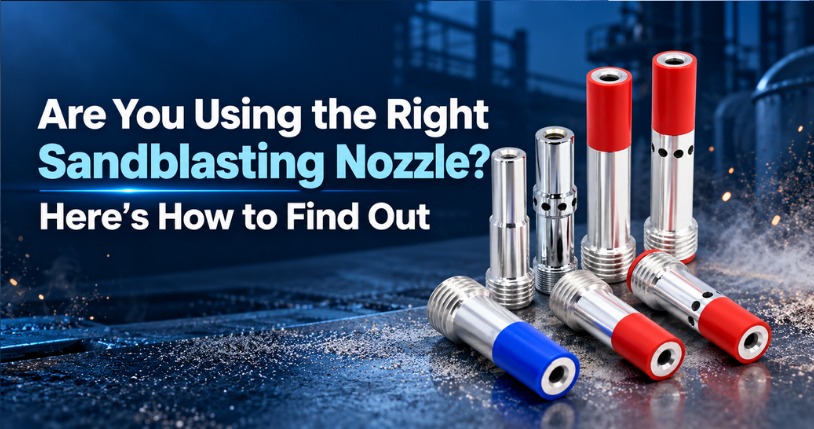
When blast results are inconsistent, slow, or using media at a rate that is greater than expected, the nozzle is typically the first item to check. The problem is often blamed on the compressor or the abrasive when, in reality, it is the nozzle that has the wrong match or is worn out. The selection is not random guessing because it is dependent on a few practical aspects that any technician can learn in order to make the right choice. Using the proper sandblasting nozzle holder can be beneficial in blasting efficiency, consistent abrasive flow, and minimising excess abrasive consumption. The overall performance depends on a number of factors, including nozzle material, nozzle bore, nozzle shape, and blasting pressure. Knowing these factors allows for easier nozzle selection based on equipment, abrasive, and surface preparation requirements.
The sandblasting nozzle regulates the flow of a combination of abrasive, compressed air, and the exit of the combination from the hose. Spray pattern, blast velocity, and evenness of surface cleaning or profiling are a function of its shape, bore size, and material. If you use the wrong nozzle, you will see patchy coverage, job times will be extended, more air will be used, and other equipment will wear out sooner. Do it right, and the same compressor can work harder and faster in the same amount of time.
This is no small detail. Nozzle selection will influence the quality of surface preparation in a paint shop, but also on a job site, particularly when surface prep quality is a factor that influences coating adhesion, such as on pipelines, marine hulls, and structural steel.
Prior to replacing anything, check for these indicators. If you have 2 or more of these, you need to rethink your setup instead of buying more abrasive.
The following three points determine the proper nozzle for the job:
While the nozzle holder is easily overlooked, it has a significant performance and safety function. A worn or loose-fitting blasting nozzle holder permits air leakage, decreases the nozzle tip pressure, and causes vibration during the operation of the nozzle, all of which shorten nozzle life and reduce control. It should be part of any routine maintenance check to inspect the nozzle along with the holder, particularly the threading and seal.
You can do a quick test by shooting a sample panel with the same machine at the same working distance and pressure and check the pattern and coverage. A nozzle with a proper match generates a uniform cone-shaped spray with uniform abrasive distribution. A gap, tail, or scattered pattern is most likely the result of bore wear or an air supply issue. This will help determine if it is within tolerance or if it needs to be replaced, using this against the nozzle's rated specifications, which can be found from the nozzle manufacturer.
Selecting the right blasting nozzle holder isn't a one-off process; it is a continuous step in making efficient and cost-effective blasting operations. In fact, frequent inspection of bore wear, proper selection of nozzle type and compressor output, and verifying that the nozzle holder is properly maintained will save time and material throughout the life of your equipment. If you're looking for dependable options, collaborating with reputable, the best air nozzle manufacturers in the UAE guarantees that you get nozzles manufactured for rigorous industrial applications, and a trustworthy Nozzles Supplier in Abu Dhabi can assist you in matching the right nozzles to the demands of your job. When precision and durability are most important, Jetblast International Equipment delivers a proven line of sand blasters, sand blaster nozzles, and complete sand blasting systems, optimized for consistent performance in both industrial and marine applications.
15 Oct 2026
23 Sep 2026

11 Sep 2026

31 Aug 2026

22 Aug 2026


