The Right Abrasive Can Change Your Entire Sandblas...
15 Oct 2026
 MON to SAT - 8AM - 6PM
Jan
2026
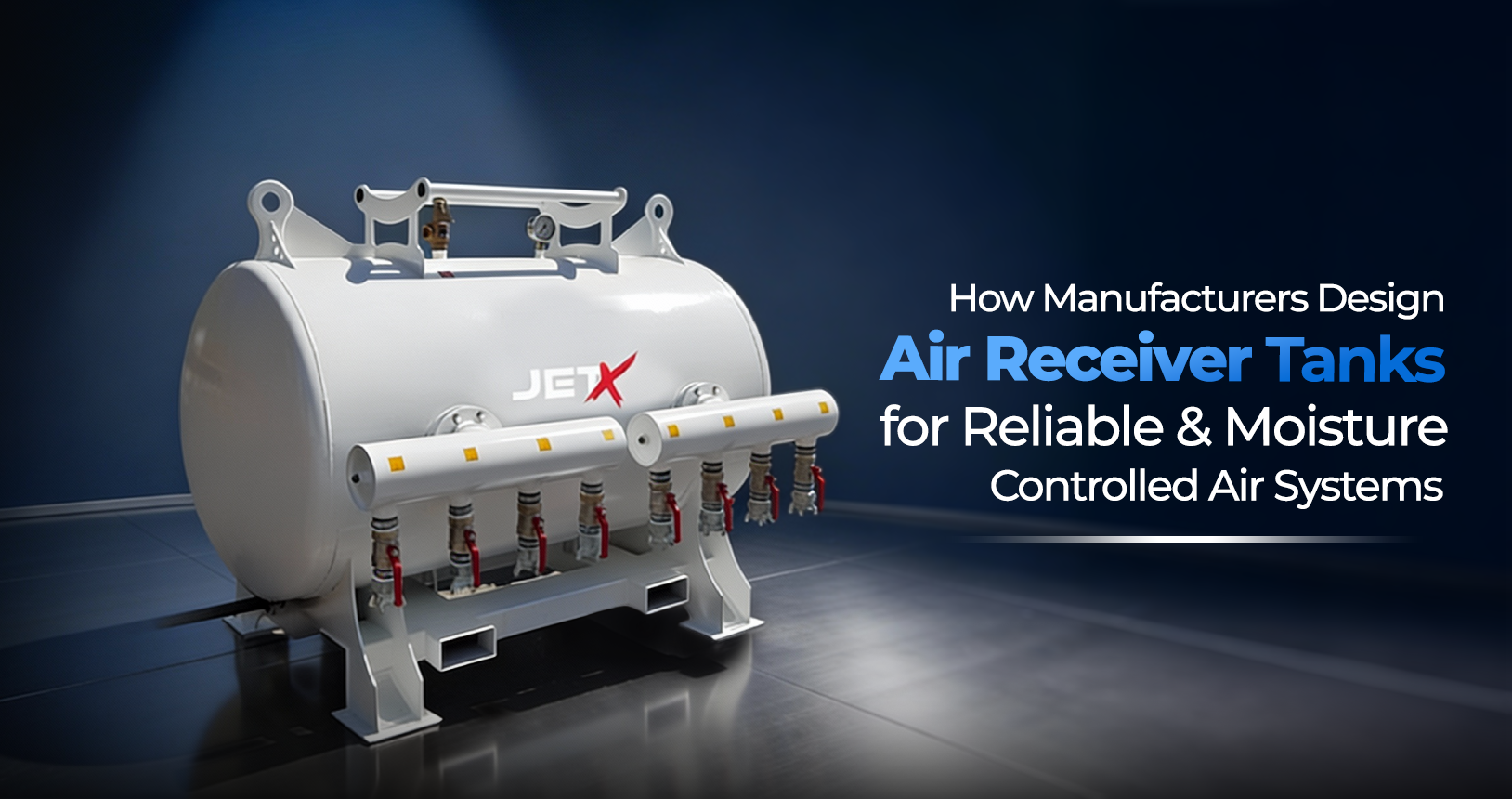
Have you ever wondered why your compressed air system consistently loses pressure, damages tools, or causes unexpected downtime, despite everything appearing fine on the surface? In most industries, the compressor is not the primary issue. Instead, it is primarily related to what occurs following the compression of air. This includes moisture accumulation, fluctuations in pressure and improper design to hold the compressed air; these work together to greatly lower the effectiveness of an air system and shorten the service life of parts, etc. This is why using air receiver tank manufacturers in Dubai is important.
An air receiver tank is not only used to store compressed air; however, it is also used to create system stabilisation for compressed air systems. The key to the effectiveness of air receiver tanks is in assuring that the tanks manufactured by air receiver tank manufacturers provide the necessary factors to stabilise and control moisture levels effectively.
Moisture accumulates naturally in any compressed air system. When an air system goes through the compression process, the moisture accumulation (water vapour) causes it to condense into a liquid. If the liquid moisture is not properly managed, it will corrode metallic piping systems, ruin tooling and equipment, and increase labour and repair costs associated with maintaining + servicing these systems.
Because of the extreme climates here in the UAE, adding to the difficulties related to moisture, air receiver tank manufacturers located in Dubai build their air receiver tanks to accommodate these extreme climates. This will continue to provide reliability, regardless of the amount of moisture that exists in the atmosphere, coupled with wide variations in temperature and humidity throughout the entire year.
Air receiver tanks serve as a buffer between the demand for compressed air and the supply of compressed air. Compressors without receiver tanks cycle on and off frequently, leading to greater consumption of energy and premature wear. Proper-sized air receiver tanks, along with specific internal design features, enable compressed air to be stored in the most efficient manner possible (i.e. allowing for steady releases of compressed air).
These design focuses allow for maintaining a consistent flow of compressed air, reducing energy consumption as well and extending the life of compressors.
The separation of moisture from compressed air is one of the main functions performed by an air receiver tank. As the compressed air slows down, water droplets settle at the bottom of the air receiver tank. Quality manufacturers improve this process through their superior engineering designs.
Some of the designs that assist in optimising the separation of moisture are:
Dependable air receiver tank manufacturers in Dubai include all the above features to make sure that moisture is removed before entering the downstream equipment.
Material selection and coatings are equally important as design when designing a moisture-free product, with air receiver tanks continually subject to internal condensation, which erodes away at the tank due to corrosion. Manufacturers that produce air receiver tanks utilise:
These materials will become increasingly valuable to manufacturers of air receiver tanks due to high humidity and high levels of industrial serviceability.
Safety and efficiency are always interrelated when selecting a tank, as reputable manufacturers create tanks to comply with international standards for pressure vessels. This helps in guaranteeing that tanks are capable of withstanding constant pressure cycles without compromising structural integrity.
Compliance with pressure vessel standards provides manufacturers of air receiver tanks with assurance of:
Therefore, a pressure vessel compliant tank will provide greater performance and greater operating peace of mind for users.
When concluding, it's important to realise that having an efficient compressed air system can be achieved through good design, proper material selection, effective drainage solutions and proper sizing. The best way for companies to achieve these goals is by working with experienced air receiver tank manufacturers in Dubai who will help them protect their machinery, maximise their efficiency, and keep their operations running smoothly without expensive downtimes. The storage methods used to store compressed air in a compressed air system are just as important as the type of storage used.