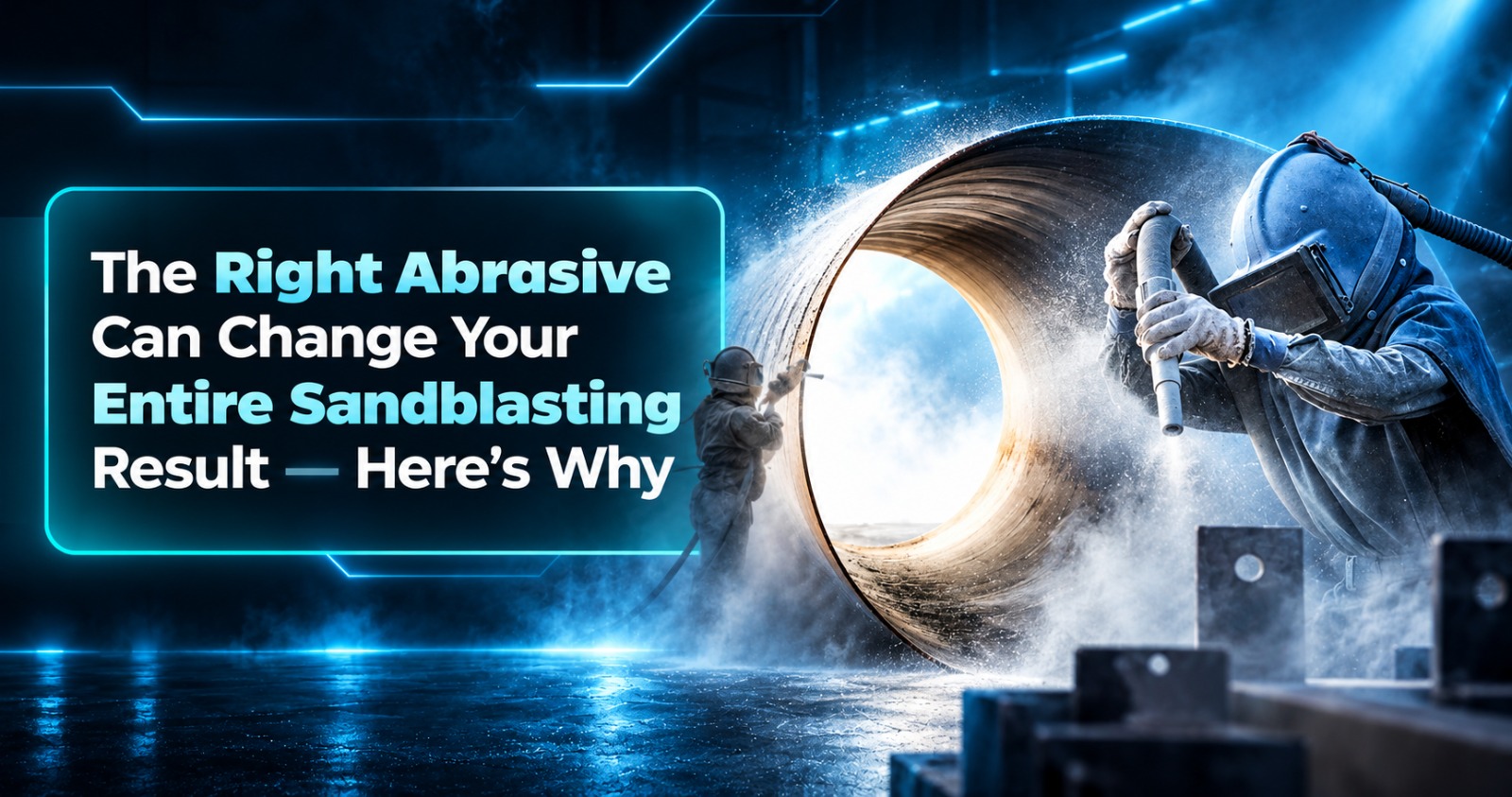
The Right Abrasive Can Change Your Entire Sandblas...
15 Oct 2026
 MON to SAT - 8AM - 6PM
Aug
2025
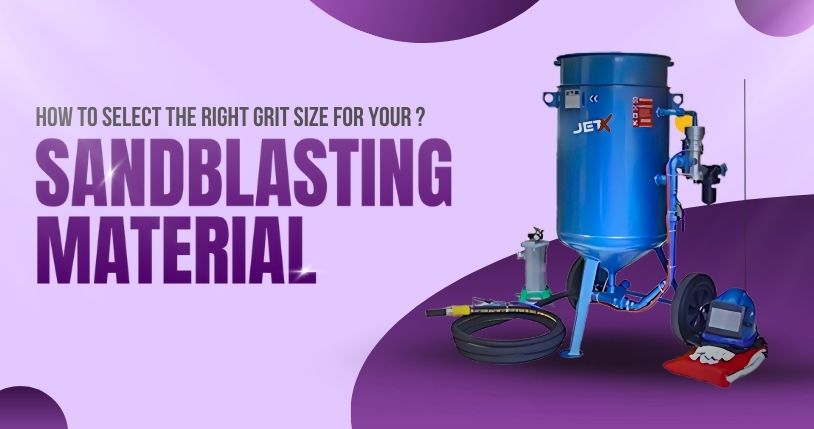
Nowadays, selecting the right grit size is necessary to achieve the best results from any sandblasting job or process. The degree of abrasion on different surfaces during blasting is determined by the grit size. These grits are effective for light cleaning, smoothing surfaces, and removing layers. The material type, the finish, and the requirements play a big role in your decision. An unsuitable grit size can negatively impact the surface and result in wasted time and effort.
The selection of sandblasting grit size always depends on various factors, including material types, purpose, quality, time, and processing time. Also, each project may require a different level of abrasiveness based on the surface condition and desired finish.
Different surfaces need different grit sizes to avoid damage and achieve the best results. Tougher materials are better suited for coarser grits, while softer surfaces tend to perform better with gentler options. Also, proper knowledge of your material helps in selecting a grit size that balances effectiveness and surface safety.
Your purpose plays a major role in grit selection and processing. If you are removing paint, preparing a surface for coating, or doing detailed polishing, grit size plays an integral role in the entire process. Also, matching the grit to your specific application is essential, and it provides a cleaner and more professional finish.
The same grit size acts differently depending on the type of abrasive material selected and used. Some media are more aggressive, and others are better suited for soft and decorative work. Also, choosing the right abrasive media from a trusted sandblasting material suppliers increases the performance of the grit.
The intensity of blasting pressure determines how the abrasive grit engages with the surface. Higher pressure allows finer grit to cut more effectively, and lower pressure requires coarser grit for the same effect. Also, using the right sandblasting machine and accessories helps you balance pressure and grit size for performance and safety.
Your sandblasting project may succeed or fail based on the size of the grit. The choice of grit will have a direct impact on the final result, whether you are cleaning delicate surfaces, stripping rust, or getting ready for a finish. Additionally, working with knowledgeable suppliers of sandblasting materials ensures that you receive the appropriate abrasive media for your particular requirements. The best results will come from variables like pressure settings, abrasive type, blasting purpose, and surface material. Poor finish quality, material waste, or surface damage can result from improper selection.